

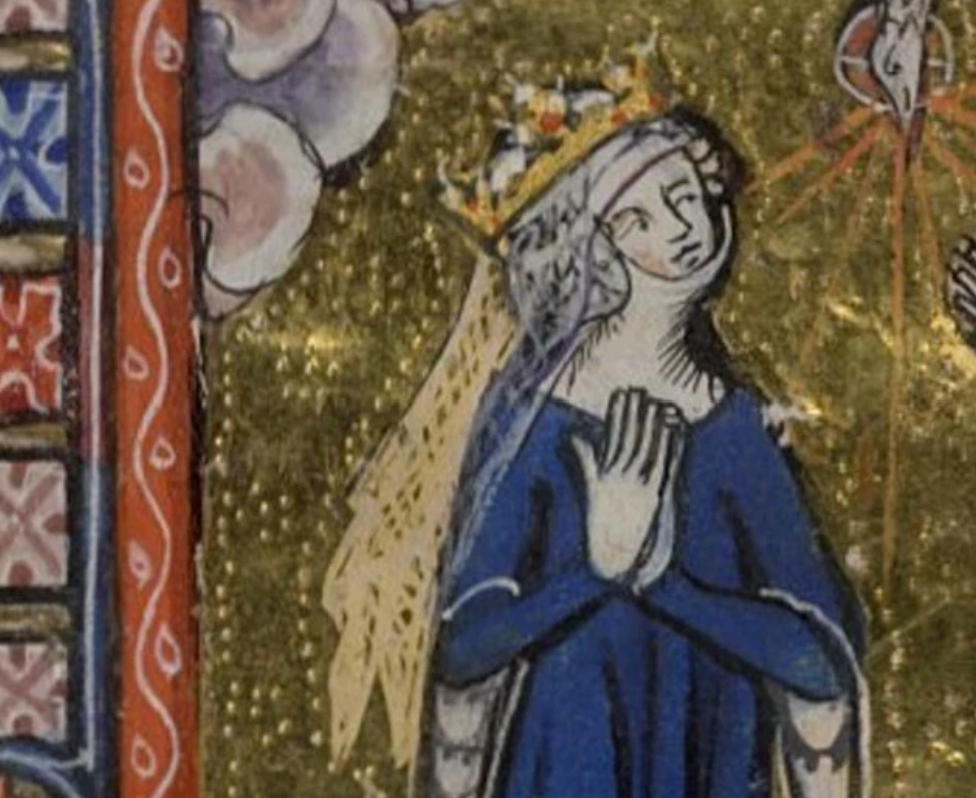
Medieval princesses had it tough. Rarely did they experience the joy of a loving union—Eleanor of Castile and her Edward is one of the major exceptions to that—often were they sent off to lands unknown, never to return. Yes, they were raised to do this. They were educated and buffed and polished, and many likely adapted and found some harmony to their new life. I am guessing their expectations were substantially different to ours: those medieval princesses were raised to do their duty, help strengthen the family. The individual might have to pay a high price for the family to thrive, but that was as it should be. Family first, peeps. Always.
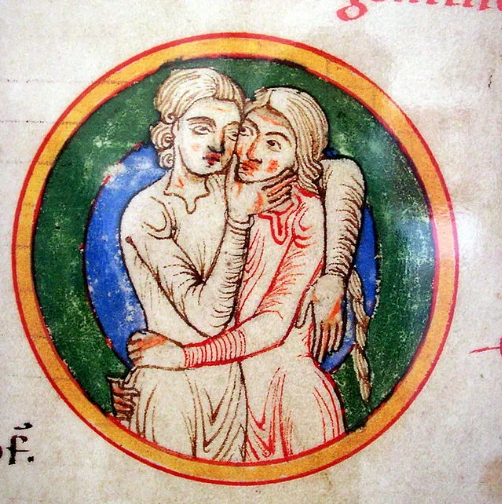
No one asked a medieval princess if she had any preferences. To be fair, no one really asked the medieval male heirs if they had preferences. They were as tied to duty as their female counterparts. Personal likes and dislikes did not matter—but the men had one big advantage over the women. They were allowed to stray. A king had a mistress? Had two? Five? That was perfectly fine. A queen? No, no, no! Not even, I might add, when a queen was a bit passé, like in the case of Maria of Portugal, Alfonso XIs unhappy wife who then became Queen Mother when her son, Pedro, took over.
Maria seems to have developed a tendre for one of her most loyal men, Martim Tellez de Meneses. At one point, Dom Martim actually held the reins of her horse over several days. To the medieval gossiper that was pure gold: a man holding a woman’s reins was effectively like shouting to the world “we’re a couple”. It didn’t end well for Maria and her Martim (assuming he ever was her Martim)
But today is not about Maria of Portugal. Except that it is, except it’s for another Maria of Portugal, namely the unhappy queen’s little niece.
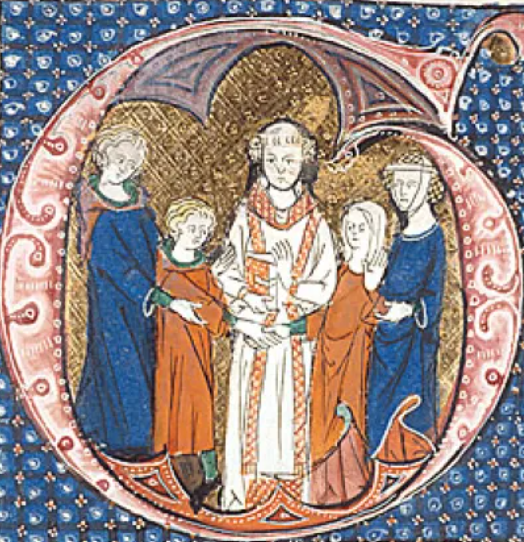
It is 1354, and in Évora, the Portuguese court was preparing for a royal wedding. Infante Pedro’s eldest child, Maria, was to be wed to Ferran of Aragón, Marquis of Tortosa and youngest brother of Pedro IV of Aragon. Not that there were any warm and fuzzy bonds between Ferran and his big brother: Ferran’s mother, Leonor of Castile, had actively conspired against her stepson, attempting to oust him in favour of her own sons. Did not work, and when Leonor’s hubby died, she and her sons fled to Castile. At present, Ferran and his brother Joao were among the courtiers that fawned all over Pedro I of Castile, their cousin.
In early 1354, little Maria was some months shy of her twelfth birthday. Her groom was twenty-five. A good marriage, according to her grandfather King Afonso of Portugal. It would further tighten the bonds between Castile and Portugal, bonds that had repeatedly been reinforced by royal marriages. Afonso married to a Castilian princess, little Maria’s mother was a Castilian noblewoman called Constanza (a most unhappy fate, hers), the present king of Castile, Pedro I, has a Portuguese mother (Maria of Portugal Sr) and a Portuguese paternal grandmother. It was very much a cousin get-together, this wedding, except that Pedro I wasn’t there. He had other problems to sort, namely a potential uprising in Castile. Ferran’s royal brother wasn’t there either: he was pissed that this particular union was taking place. He deffo didn’t want his half-brother to have the support of the Portuguese.
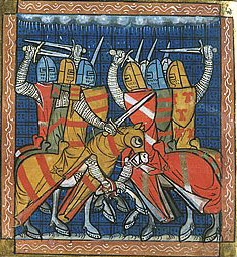
So, not exactly a warm and happy occasion this marriage, even less so when the Castilian envoys arrived and demanded that the King Afonso hand over a certain Joao Afonso of Albuquerque to them, accusing him of treason against Castile. Except Joao Afonso was family to Afonso—and so far the Portuguese king was less than impressed by how his young grandson was ruling his kingdom. Besides, Albuquerque had been a good and loyal válido (closest counsellor) for years. All this put Ferran in something of a pickle: he was, after all Pedro I’s cousin, so reasonably he should argue loudly for Albuquerque to be handed over. But our Ferran was all too aware of just how sentiments were shifting in Castile—the young king had recently made many, many enemies, this due to how he has treated his poor French bride, Blanche (yet another unfortunate medieval princess) but primarily because he had been placing relatives to his mistress, Maria de Padilla, in positions of power.
Other than this political interruption to the wedding, things went as planned. Ferran now had a child-bride, she a noble husband. At such a tender age, I am thinking it is unlikely Maria would have been expected to live with her husband. She could have been sent to live with his mother, Leonor, but given the political turmoil that would affect Castile for the coming years, years in which Leonor would end up imprisoned and then murdered, I don’t think that happened. If it had, Maria would also have ended up behind walls—Pedro I was very much an equal opportunity guy when it came to punishing his rebellious subjects, i.e. female relatives were just as prone to end up dead.
What we do know is that Ferran fell out with his cousin, Pedro. At some point Ferran threw his lot with the Castilian pretender, Enrique, which meant fighting with the armies of Aragon—the armies of his not-so-loved half-brother, Pedro IV—against Castile. The king of Aragon was quick in seeing an opportunity to increase his own territories due to the unrest in Castile, hence The War of the two Pedros, which was to be an on-and-off conflict for close to fifteen years.
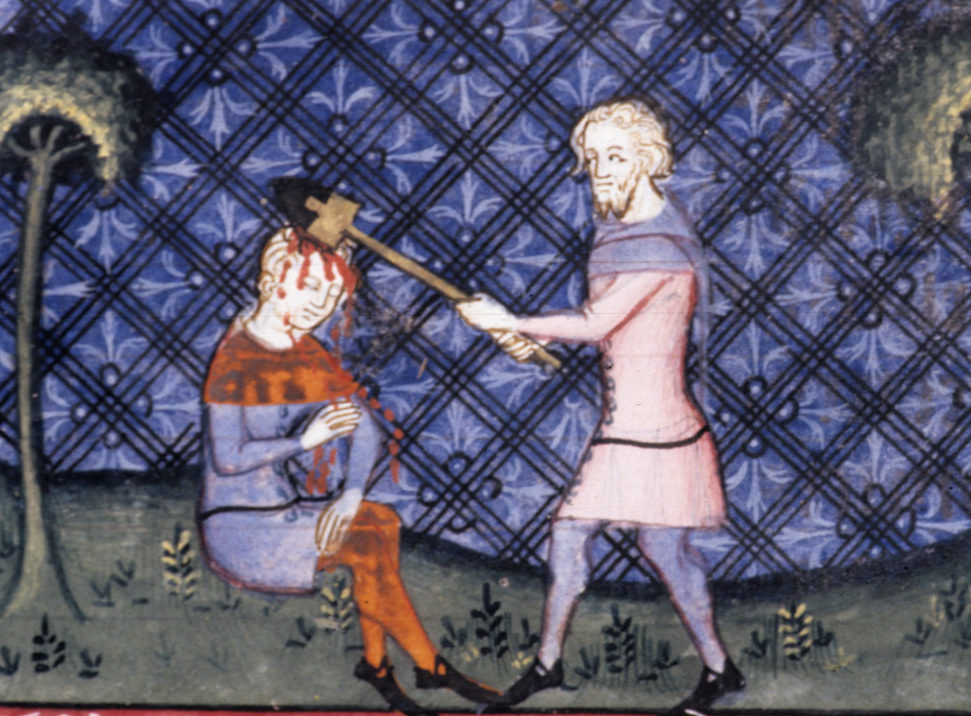
In 1363, Ferran was murdered. Some say by his brother, others by Enrique himself. By then Maria was already living in Aragon, and with her husband dead, she should have inherited his lands. “Nope,” said her brother-in-law. “You want to leave Aragon, you do so after signing over all your holdings in Aragon to me.”
This, of course, was not in accordance with the contracts—although Pedro IV could argue no one had asked him re the wording at the time of their wedding. Our twenty-year-old princess attempted to flee for the border but was apprehended and carried off to what was effectively a prison—she was held in Barcelona, surrounded by relatives by marriage who detested her. Why, one wonders—she was so young, and not, reasonably, a threat to anyone. Especially as there had been no children from her union with Ferran.
Strangely enough, despite her restricted circumstances, Maria was able to be of significant use to her brother, Fernando, now king of Portugal. When he in 1369 claimed the crown of Castile—at the time safely perched atop Enrique’s head—he needed to ensure Aragon would not continue to support Enrique. Maria was one of the movers and shakers behind the alliance formed between Fernando and Pedro IV, actively promoting the marriage between Fernando’s little daughter, Beatriz, and Pedro’s heir, Joao. I hope this helped make her life in Barcelona easier, even if as yet she had not reached any sort of agreement with Pedro IV as to her dower lands.
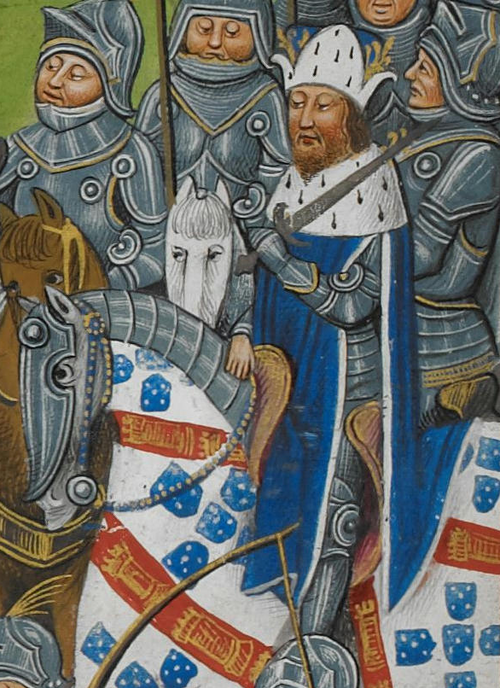
As part of the alliance, Fernando sent hostages to Aragon. One of these hostages was the Genovese Baldassare Spinola. When the Portuguese-Aragonese alliance ended in 1371 as a consequence of the Treaty of Alcoutim, he remained behind in Aragon. Why? Well, it seems tender feelings had sprung up between him and Maria, who was now pushing thirty. And when Maria finally won some sort of settlement from Pedro IV in 1373, she happily took Baldassare’s hand and followed him to Genoa, having sold all of her Aragonese possessions. Not, it would turn out, a smart move. Baldassare was to prove most inconstant. No sooner had her money run out but he upped and left, leaving her destitute.
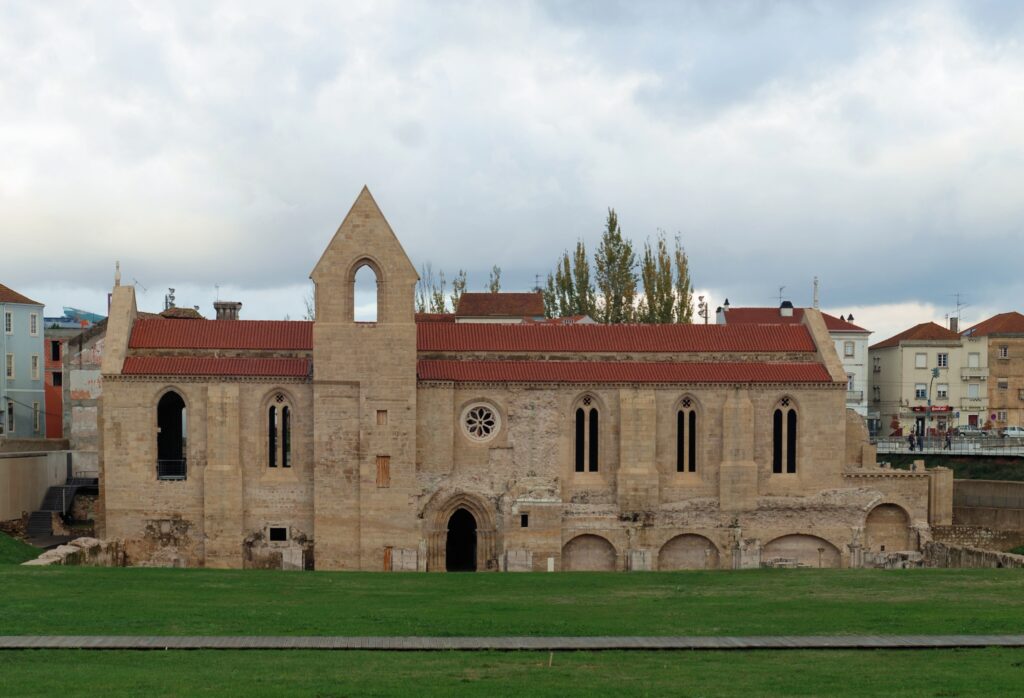
According to some sources, Maria returned home in 1375. But in a letter dated in May of 1377, Pedro IV informs his son (who must have seriously disliked Maria, seeing as he accused her of instigating the murder of his promised bride) that he’d just heard Maria had recently died in Genoa. Where she found her final resting place is a bit uncertain, but some say she lies buried in the monastery of Santa Clara-a-Vehla, in Coimbra. A homecoming, of sorts, if true.
All in all, Maria’s life seems to have been a lonely one. For years, she remained behind while her husband was out fighting, for many more years she was an effective prisoner, surrounded by people who hated her. A glimmer of light, a promise of more, and she travelled to a distant place with a man who abandoned her, leaving her alone. Again.